
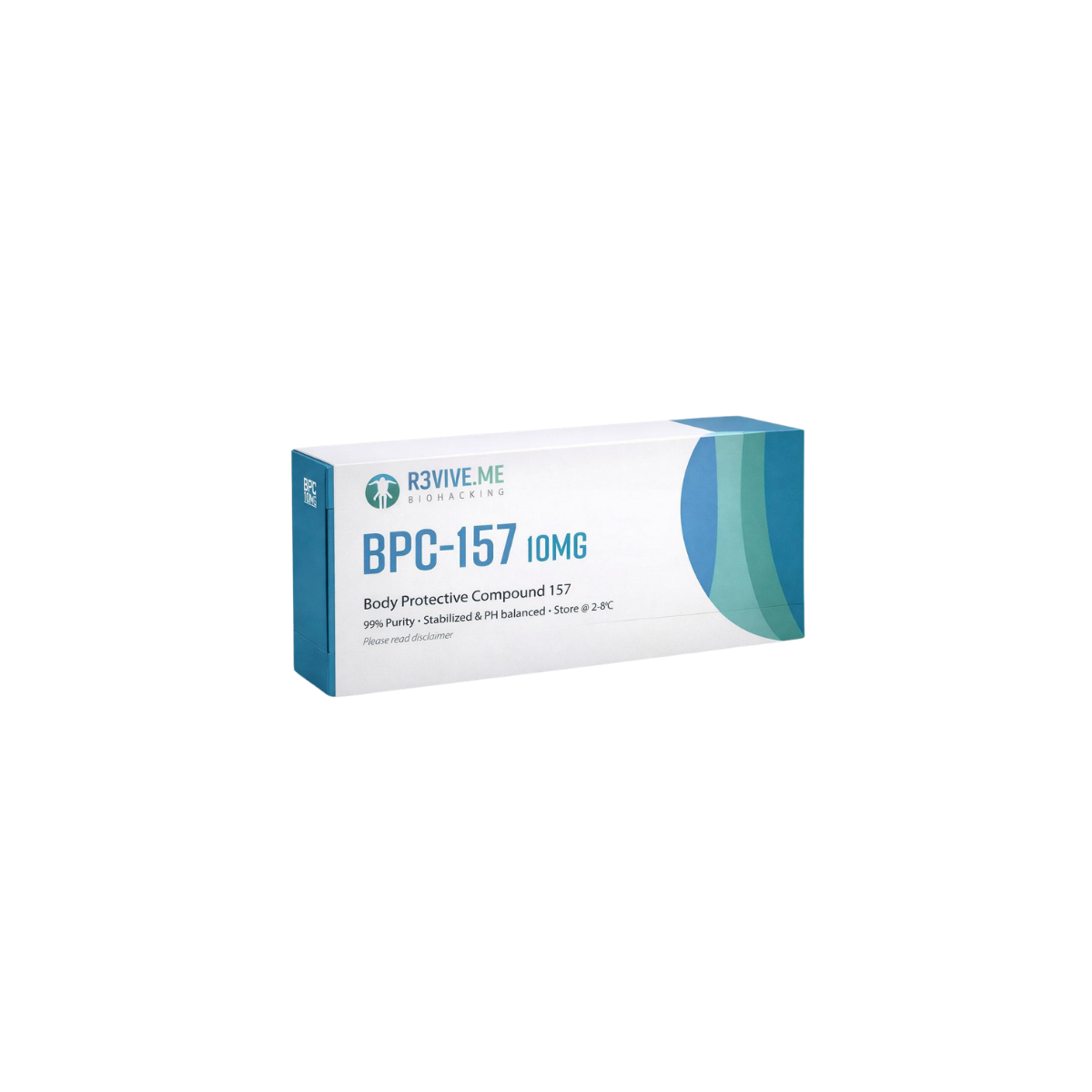
BPC-157 (Body Protection Compound-157) is a synthetic pentadecapeptide originating from a protective protein natively found within gastric secretions. It represents a focal point in regenerative medicine, largely due to its versatility in experimental models concerning musculoskeletal health, angiogenesis, gastrointestinal integrity, and systemic cellular renewal. Scientific inquiry remains focused on the peptide’s capacity to modulate various signaling cascades critical for injury response and structural preservation.
Biological Mechanisms
Experimental data highlights the influence of BPC-157 on fibroblast mobilization, collagen production, nitric oxide synthesis, and extracellular matrix (ECM) reorganization. These processes serve as the fundamental framework for determining how biological systems recover from mechanical stress or injury. Given its wide-reaching biological footprint, BPC-157 functions as a primary reference in recovery-oriented laboratory investigations.
Current studies continue to scrutinize the peptide’s impact on:
- Tendon and ligament repair dynamics.
- Skeletal muscle physiology and bone mineralization.
- Maintenance of gastrointestinal mucosa.
- Endothelial function and vascular architecture.
Researchers often analyze BPC-157 in tandem with compounds such as TB-500, GHK-CU, CJC-1295 + Ipamorelin, and other specialized recovery blends. By testing these agents together, scientists aim to map the synergistic pathways that drive tissue restoration and refine the therapeutic potential of peptide-based interventions.
Quality Standards
Premium UK Peptides provides BPC-157 at a concentration of 20mg. Each batch is produced according to stringent manufacturing protocols, ensuring the high-purity, laboratory-grade standard required for precision research. Every unit is subjected to rigorous analytical verification to guarantee the consistency and reliability essential for high-level scientific experimentation.
Benefits
- Investigation into accelerated tissue regeneration.
- Assessment of tendon-to-bone healing kinetics.
- Mapping pathways associated with collagen synthesis.
- Exploration of angiogenesis and microvascular growth.
- Examination of gastrointestinal lining maintenance.
- Analysis of musculoskeletal recovery markers.
- Observation of extracellular matrix remodeling.
- Provision of high-purity materials for reproducible research.
- Adherence to rigorous industrial quality controls.
Storage and Handling
- Maintain a refrigerated environment between 2°C and 8°C.
- Shield from heat, ambient moisture, and UV exposure.
- Keep vials hermetically sealed until the moment of use.
- Adhere to standard laboratory protocols post-reconstitution.
- Minimize degradation by preventing repeated freeze-thaw cycles.
Reviews
There are no reviews yet.