
NAD+ Explained: The Coenzyme Behind Cellular Energy & Healthy Ageing
By the Premium UK Peptides Research Team · Updated July 2026 · 9 min read
NAD+, short for nicotinamide adenine dinucleotide, is a coenzyme that exists inside every one of your cells. It carries electrons through the reactions that turn food into usable energy, it hands enzymes what they need to patch up damaged DNA, and it keeps a whole family of “housekeeping” proteins running. Strip NAD+ out of the picture and cellular metabolism grinds to a halt — which is exactly why it has become one of the most closely watched molecules in ageing and mitochondrial science.
Below, we break down what NAD+ actually does, why researchers watch it decline with age, and where the current science is heading.
Key Takeaways
- NAD+ is an electron carrier that mitochondria use to generate ATP, the cell’s main energy currency.
- It’s a required substrate for the enzymes that repair DNA and regulate cellular stress responses.
- NAD+ levels decline naturally with age, alongside oxidative stress, poor diet, and inactivity.
- The body can build NAD+ from dietary precursors — niacin, nicotinamide, NR, NMN, and tryptophan.
- NAD+ remains a leading focus in longevity, mitochondrial biology, and metabolic research.
What Is NAD+?
Think of NAD+ as a molecular shuttle. It doesn’t produce energy on its own — instead, it ferries electrons between the reactions that do. Every cell in the body relies on it, from neurons to muscle fibres, because every cell needs a working supply chain for ATP, the molecule cells actually spend as fuel.
That shuttle role is what makes NAD+ so foundational. When researchers talk about mitochondrial health, DNA repair capacity, or metabolic flexibility, NAD+ availability tends to sit somewhere near the centre of the conversation.
How NAD+ Powers Cellular Energy Production
NAD+ takes part in glycolysis, the citric acid cycle, and oxidative phosphorylation — the three-stage process your cells use to convert carbohydrates and fats into ATP. As it picks up and drops off electrons along the way, it effectively keeps the whole energy-production line moving.
Tissues with the highest energy demands — the brain, heart, skeletal muscle, liver, and kidneys — are the most sensitive to NAD+ availability, which is one reason it shows up so often in research spanning exercise physiology, cardiovascular biology, and neurobiology.
NAD+ and DNA Repair
Cells accumulate DNA damage constantly, whether from ordinary metabolic activity, UV exposure, or oxidative stress. Repairing that damage requires enzymes that, in turn, require NAD+ as a substrate. Without enough of it on hand, DNA-repair pathways simply can’t keep pace, which is part of why NAD+ decline is studied alongside genomic instability and cellular ageing.
NAD+ and Mitochondrial Health
Mitochondria earn the “powerhouse of the cell” label because they’re where most ATP gets made — and NAD+ is what keeps that machinery fed. Researchers frequently study NAD+ alongside other mitochondrial-support compounds, including MOTS-C, a mitochondrial-derived peptide studied for its role in metabolic regulation, and SS-31, which is investigated for supporting mitochondrial membrane function. Our earlier guide on building a mitochondrial support research stack covers how these compounds are typically studied together.
NAD+ and Metabolic Regulation
NAD+ also feeds into the enzyme families — sirtuins and PARPs among them — that regulate gene expression, stress resilience, and how cells adapt to shifting metabolic demand. This is the same territory explored in research on compounds like 5-Amino-1MQ, which is studied for its interaction with metabolic and fat-cell signalling pathways. Balanced NAD+ availability appears to be a prerequisite for that regulatory system to function properly.
Why Does NAD+ Decline With Age?
NAD+ doesn’t fall off a cliff — it erodes gradually, and several overlapping factors seem to drive that decline:
- Natural ageing
- Chronic metabolic stress
- Oxidative stress
- Poor dietary habits
- A sedentary lifestyle
- Low-grade, ongoing inflammation
- Environmental stressors
A 2021 review in Molecular and Cellular Endocrinology notes that declining NAD+ levels have been observed alongside a number of age-related conditions, which is part of why restoring NAD+ metabolism is such an active area of investigation.
Where Current NAD+ Research Is Headed
NAD+ shows up across an unusually wide range of research fields right now, including:
| Research Area | What’s Being Studied |
|---|---|
| Healthy ageing | NAD+ decline as a biomarker and potential intervention target |
| Mitochondrial biology | NAD+’s role in ATP synthesis and mitochondrial signalling |
| Exercise physiology | NAD+ availability and exercise recovery/adaptation |
| Neurobiology | NAD+ and neuroprotective mechanisms |
| Cardiovascular biology | NAD+ and cardiovascular cell function |
| DNA repair | NAD+ as a substrate for repair enzymes |
A review published in Nature Reviews Molecular Cell Biology frames NAD+ metabolism as a central hub connecting energy production to the ageing process — which explains why it continues to attract research funding and attention across so many disciplines. You can browse our full Longevity & Cellular Health category to see the compounds most frequently studied alongside NAD+.
Natural Sources and Precursors of NAD+
The body doesn’t just use NAD+ directly — it also builds it from precursor nutrients, including:
- Vitamin B3 (niacin)
- Nicotinamide
- Nicotinamide riboside (NR)
- Nicotinamide mononucleotide (NMN)
- Tryptophan, an essential amino acid
A diet that includes these nutrients supports the body’s own NAD+ production pathways.
Lifestyle Factors That Support Healthy NAD+ Levels
NAD+ decline may be a normal part of ageing, but several everyday habits are studied for their role in supporting healthier cellular metabolism overall:
- Regular physical activity
- Consistent, adequate sleep
- Balanced nutrition
- Maintaining a healthy body weight
- Managing chronic stress
- Limiting alcohol intake
- Not smoking
NAD+ in Our Research Range
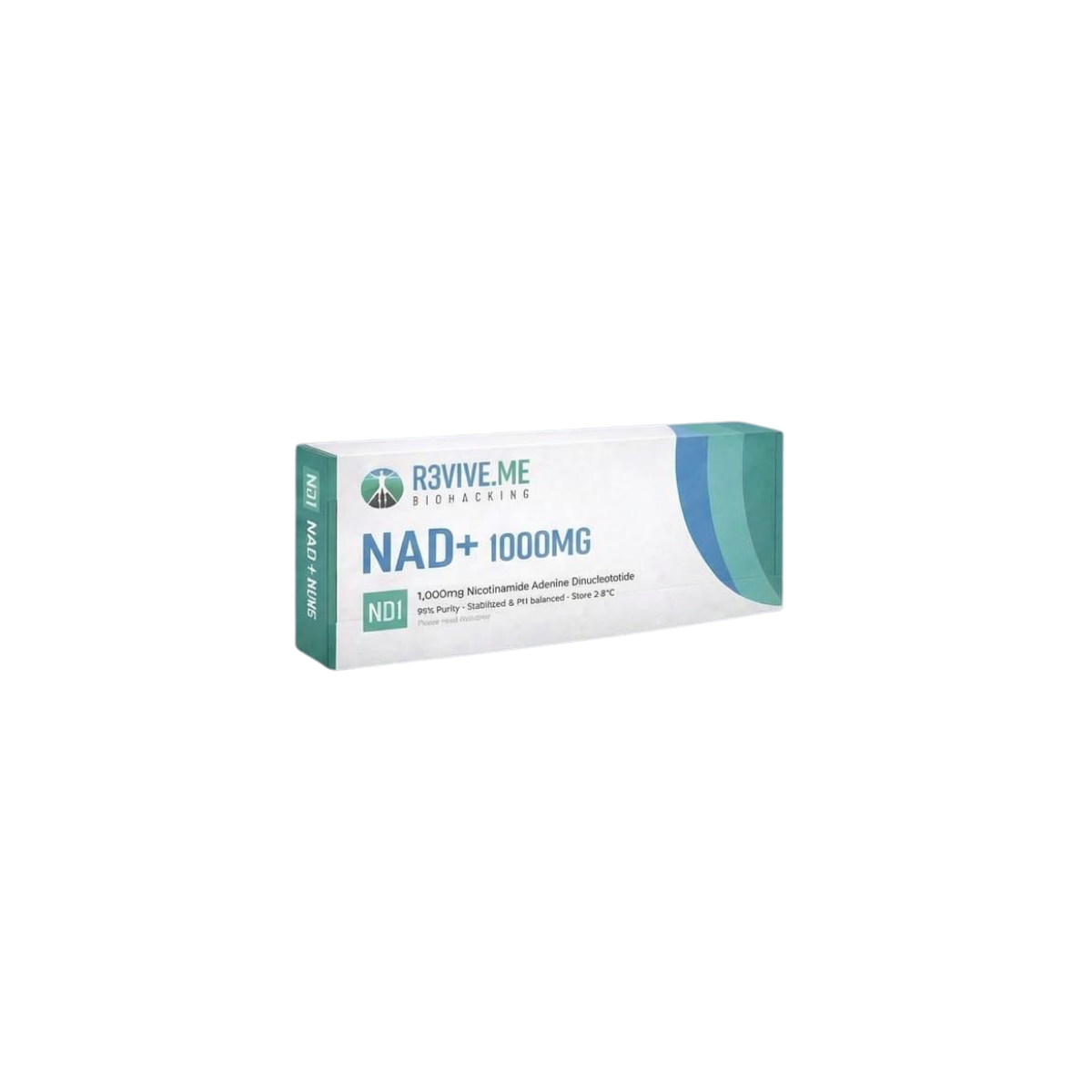
For laboratory and in-vitro research applications, Premium UK Peptides supplies NAD+ 1000mg as a high-purity, third-party tested research compound. It’s frequently studied alongside other cellular-health compounds, including:
- MOTS-C — mitochondrial-derived peptide studied for cellular energy regulation
- SS-31 — studied for mitochondrial membrane support
- Epithalon — studied in longevity and cellular-ageing research
- Glutathione — studied for its role in antioxidant defence and oxidative stress
- 5-Amino-1MQ — studied for metabolic and fat-cell signalling pathways
Every batch is independently lab tested — you can view purity data on our Certificates of Analysis page before ordering from our full research peptide range.
Frequently Asked Questions
Is NAD+ naturally present in the body? Yes. NAD+ is a coenzyme found in every living cell and is required for cellular respiration, DNA maintenance, and dozens of other enzymatic processes. Why is NAD+ important? It supports cellular energy production, normal metabolic function, DNA maintenance, and mitochondrial activity — which is why it’s considered one of the most fundamental coenzymes in cell biology. Does NAD+ decrease with age? Research indicates NAD+ levels gradually decline as part of the normal ageing process, which is a major reason it has become a focus of longevity science. Is NAD+ still being researched? Yes — NAD+ remains one of the most actively studied molecules in ageing, mitochondrial biology, metabolism, and cellular resilience research. What are NAD+ precursors? Nicotinamide riboside (NR) and nicotinamide mononucleotide (NMN) are two well-studied precursors the body converts into NAD+, alongside dietary vitamin B3 and tryptophan.
The Bottom Line
NAD+ sits at the intersection of almost everything cell biology cares about: energy production, DNA repair, mitochondrial function, and metabolic regulation. Its natural decline with age is one of the reasons it has become such a heavily researched molecule — and why interest in NAD+ and its precursors continues to grow across ageing, exercise, and cellular-health research. For a closer look at how it fits into a broader mitochondrial research protocol, see our guide to MOTS-C and mitochondrial health, or browse our Longevity & Cellular Health collection directly.
Disclaimer: This article is intended for educational and informational purposes only. NAD+ and the compounds referenced are sold by Premium UK Peptides strictly for laboratory and in-vitro research use, are not for human or animal consumption, and are not intended to diagnose, treat, cure, or prevent any disease. Nothing in this article should be interpreted as medical advice — always consult a qualified healthcare professional for anything related to your personal health.